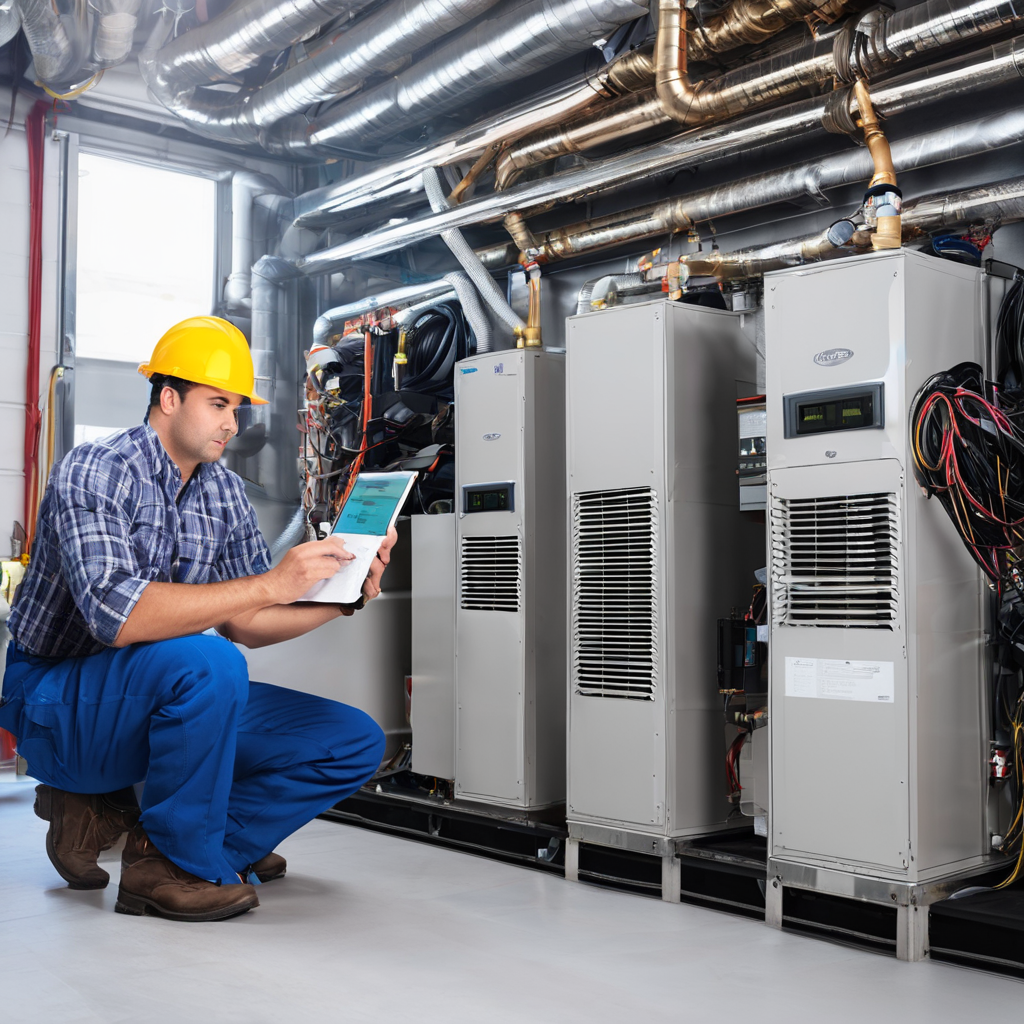
Commercial HVAC service software plays a crucial role in the efficient maintenance and management of heating, ventilation, and air conditioning systems in commercial buildings. This specialized software is designed to streamline operations, improve productivity, and enhance overall performance in the HVAC industry. With the advancement of technology, commercial HVAC service software has become an essential tool for HVAC technicians, contractors, and building managers to effectively monitor and control HVAC systems.
One of the key benefits of commercial HVAC service software is its ability to automate routine maintenance tasks, such as scheduling inspections, tracking equipment status, and generating work orders. This automation not only saves time but also ensures that maintenance activities are performed on schedule, reducing the risk of equipment failures and costly repairs. By using HVAC service software, businesses can optimize maintenance processes and extend the lifespan of their HVAC systems.
Moreover, commercial HVAC service software provides real-time monitoring and analytics capabilities, allowing users to track system performance, identify issues, and make data-driven decisions. Through interactive dashboards and reports, users can gain insights into energy consumption, equipment efficiency, and maintenance trends, enabling them to proactively address potential issues and optimize system performance. This data-driven approach helps businesses improve operational efficiency and reduce energy costs.
In addition, commercial HVAC service software offers remote access and mobile capabilities, enabling technicians and managers to monitor and control HVAC systems from anywhere at any time. This remote accessibility not only enhances operational flexibility but also enables quick response to emergencies and maintenance requests. With mobile functionality, technicians can access work orders, update service records, and communicate with team members on the go, improving collaboration and efficiency.
Furthermore, commercial HVAC service software integrates with other building management systems, such as building automation systems and energy management systems, to create a unified platform for comprehensive facility management. This integration allows users to centralize data, streamline processes, and enhance communication across different systems, leading to improved coordination and synergy in building operations. By leveraging interconnected technologies, businesses can achieve greater operational efficiency and sustainability.
Another significant advantage of commercial HVAC service software is its ability to facilitate compliance with regulatory standards and industry requirements. By automating compliance monitoring, documentation, and reporting processes, businesses can ensure adherence to safety regulations, environmental guidelines, and industry standards. This proactive approach not only reduces the risk of penalties and fines but also enhances the reputation and credibility of the business in the industry.
Moreover, commercial HVAC service software offers asset management features, enabling users to track equipment inventory, maintenance history, and warranty information in a centralized database. By maintaining accurate records and tracking asset performance, businesses can optimize equipment utilization, minimize downtime, and plan for timely replacements or upgrades. This proactive asset management approach helps businesses maximize ROI on their HVAC investments and ensure operational continuity.
Additionally, commercial HVAC service software provides workflow automation tools, such as job assignment, dispatching, and invoicing, to streamline service operations and improve workflow efficiency. By automating repetitive tasks and standardizing processes, businesses can reduce manual errors, enhance service quality, and deliver consistent customer experiences. This automation not only saves time and resources but also enhances customer satisfaction and loyalty.
Furthermore, commercial HVAC service software offers predictive maintenance capabilities, using advanced algorithms and predictive analytics to forecast equipment failures and performance degradation. By analyzing historical data, system parameters, and usage patterns, businesses can anticipate maintenance needs, schedule proactive interventions, and prevent costly breakdowns. This predictive approach helps businesses minimize downtime, extend equipment lifespan, and optimize maintenance costs.
In conclusion, commercial HVAC service software is a valuable tool for businesses in the HVAC industry to streamline operations, enhance system performance, and improve overall efficiency. By leveraging automation, data analytics, remote access, and integration capabilities, businesses can optimize maintenance processes, reduce energy costs, ensure compliance, and deliver superior customer service. Investing in commercial HVAC service software not only boosts operational productivity but also positions businesses for long-term success in a competitive market.